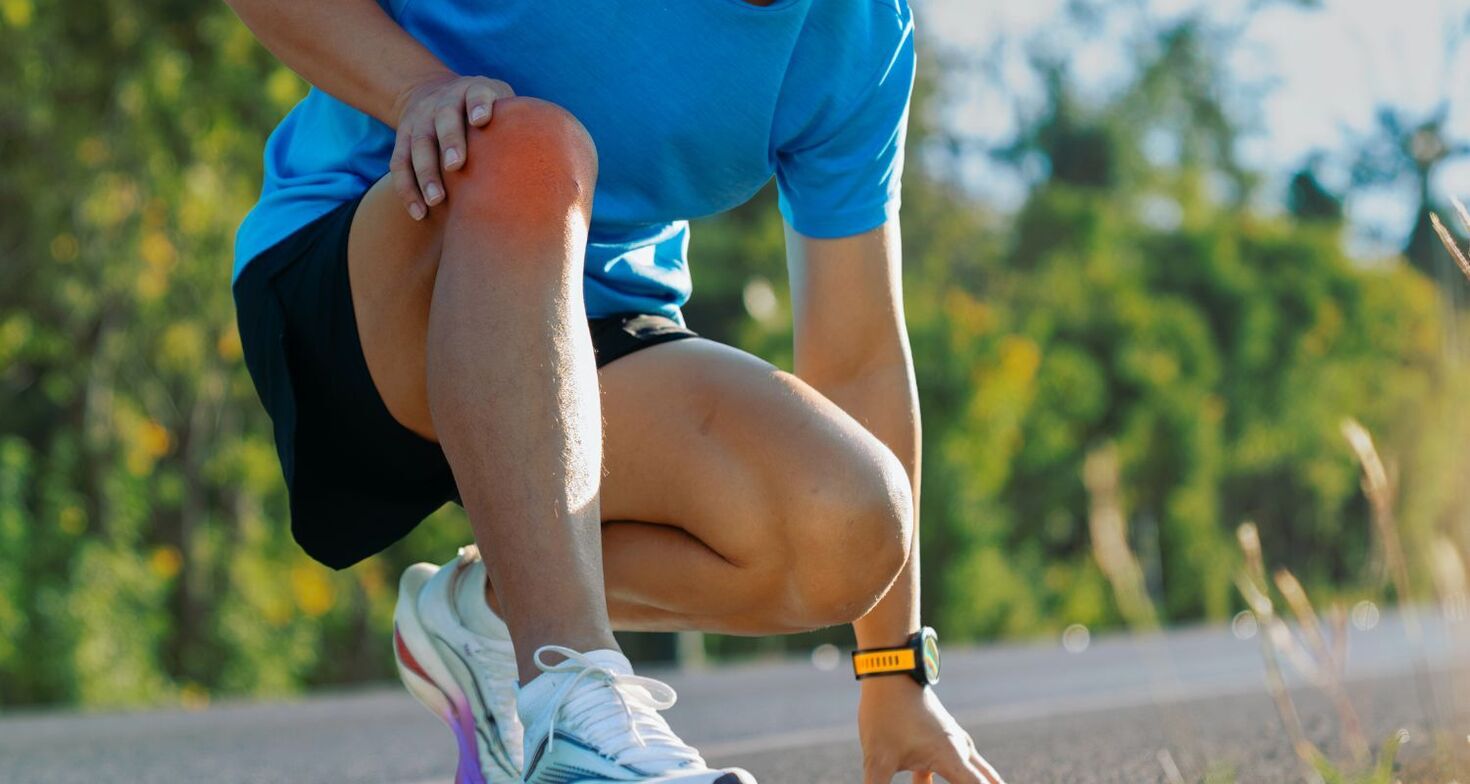
If you've noticed a dull, aching pain around the front of your knee during or after a run, you may be dealing with runner's knee. It's one of the most common overuse injuries among active people — and one that tends to stick around if the underlying cause isn't addressed. The good news? With the right approach, runner's knee recovery is very much achievable, and you don't have to hang up your shoes for good.
At Abel Hands Chiropractic in Schertz, I work with runners and active individuals every day who are frustrated by persistent knee pain that rest alone isn't fixing. Understanding what's actually going on in the knee is the first step toward getting better.
What Is Runner's Knee?
Runner's knee — medically known as patellofemoral pain syndrome (PFPS) — refers to pain around or behind the kneecap (patella). It develops when the kneecap doesn't track properly over the femur (thigh bone) during movement, creating friction and irritation in the surrounding tissues.
Despite the name, you don't have to be a runner to develop it. Cyclists, hikers, and anyone who spends a lot of time on their feet can experience it too. That said, runners are particularly vulnerable because of the repetitive impact and bend-and-extend motion involved with every stride.
What Does Runner's Knee Feel Like?
Symptoms of runner's knee vary from person to person, but the most common signs include:
- A dull, aching pain at the front of the knee or around the kneecap
- Pain that worsens going down stairs, squatting, or sitting for long periods
- A feeling of stiffness after rest that eases up with movement — only to return with prolonged activity
- Occasional grinding or clicking sensations around the kneecap
Many people describe it as pain that sneaks up on them mid-run or flares up the day after a longer effort. If any of this sounds familiar, it's worth taking seriously rather than pushing through.
What Causes Runner's Knee?
Understanding runner's knee causes is key to treating it effectively — and this is where many people go wrong. They treat the knee itself without looking at what's driving the problem upstream.
Runner's knee is rarely just a knee issue. In most cases, it develops because of biomechanical problems elsewhere in the body — particularly the hips, ankles, and pelvis. When the hips are weak or the ankles don't move well, the knee is forced to compensate with every step, and that repeated stress adds up.
Common contributing factors include:
- Weak hip abductors and glutes — when these muscles underperform, the thigh rotates inward during running, pulling the kneecap out of alignment
- Overpronation (feet rolling inward) — alters how force travels up through the knee
- Tight IT band or quad muscles — increases lateral pull on the patella
- Sudden increase in training volume — overuse without adequate recovery time
- Poor running mechanics — including stride length, foot strike, and cadence
Does Runner's Knee Go Away on Its Own?
This is one of the most common questions we hear — and the honest answer is: sometimes, but often not without addressing the root cause.
Rest can reduce inflammation and give irritated tissue a break, but it doesn't fix the biomechanical issues that caused the problem in the first place. Many runners take time off, feel better, return to training, and find the pain comes back within weeks. This cycle is incredibly frustrating — and it's exactly why so many people with runner's knee end up seeking professional care.
How long does runner's knee take to heal? Recovery time varies depending on severity and how it's being treated. Mild cases may improve within a few weeks with targeted rehab. More stubborn cases can take several months, especially if training continues without modification or the underlying mechanics aren't corrected.
How Chiropractic Care Helps With Runner's Knee
Chiropractic care is well-suited for runner's knee because it looks at the whole kinetic chain — not just the painful area. A chiropractor evaluates how your hips, pelvis, ankles, and spine are all contributing to the stress being placed on your knee.
At Abel Hands Chiropractic, our approach to runner's knee typically includes:
Joint assessment and alignment. We assess the movement of the knee, hip, and ankle joints to identify where restrictions or misalignments are adding stress to the kneecap's tracking.
Soft tissue therapy. Tight muscles and connective tissue — particularly the IT band, quads, and hip flexors — can pull the patella off its natural path. Hands-on soft tissue work helps release this tension.
Runner's knee rehab exercises. We'll prescribe targeted runner's knee exercises focused on strengthening the glutes and hips, improving patellar tracking, and building the stability needed to handle training loads. Research consistently shows hip strengthening is one of the most effective interventions for PFPS.
Movement correction. We help identify any running mechanics or movement patterns contributing to the problem — and offer practical guidance on how to adjust them.
This is the same approach we take with other types of knee pain, including lateral knee pain, pain behind the knee, and post-run soreness. If you'd like to learn more about how we approach knee pain as a whole, our guide on how a chiropractor can help with knee pain covers the full picture.
How to Prevent Runner's Knee From Coming Back
Once you've recovered, the goal is to stay recovered. Key strategies for preventing runner's knee include:
- Gradually increasing mileage — no more than 10% per week
- Prioritizing hip and glute strengthening as part of your regular training
- Addressing foot mechanics and footwear
- Warming up properly before runs and cooling down after
- Listening to early warning signs instead of running through discomfort
Runner's knee stretches — particularly for the quads, hip flexors, and IT band — can also play a supporting role in keeping things moving well.
Ready to Get Back to Running?
Runner's knee is frustrating, but it doesn't have to keep you sidelined. With the right care focused on the actual cause of the problem, most runners can return to full activity and stay there.
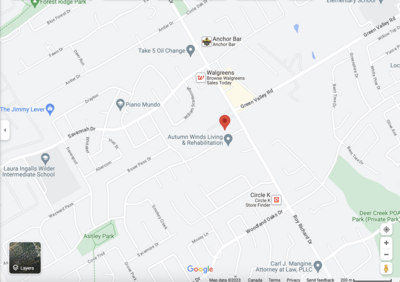
If you're in or around Schertz and dealing with persistent knee pain, the team at Abel Hands Chiropractic is here to help. We'll take the time to understand your specific situation, identify what's driving your symptoms, and build a care plan that gets you moving comfortably again. Book your appointment today and take the first step toward running pain-free.
.jpg)