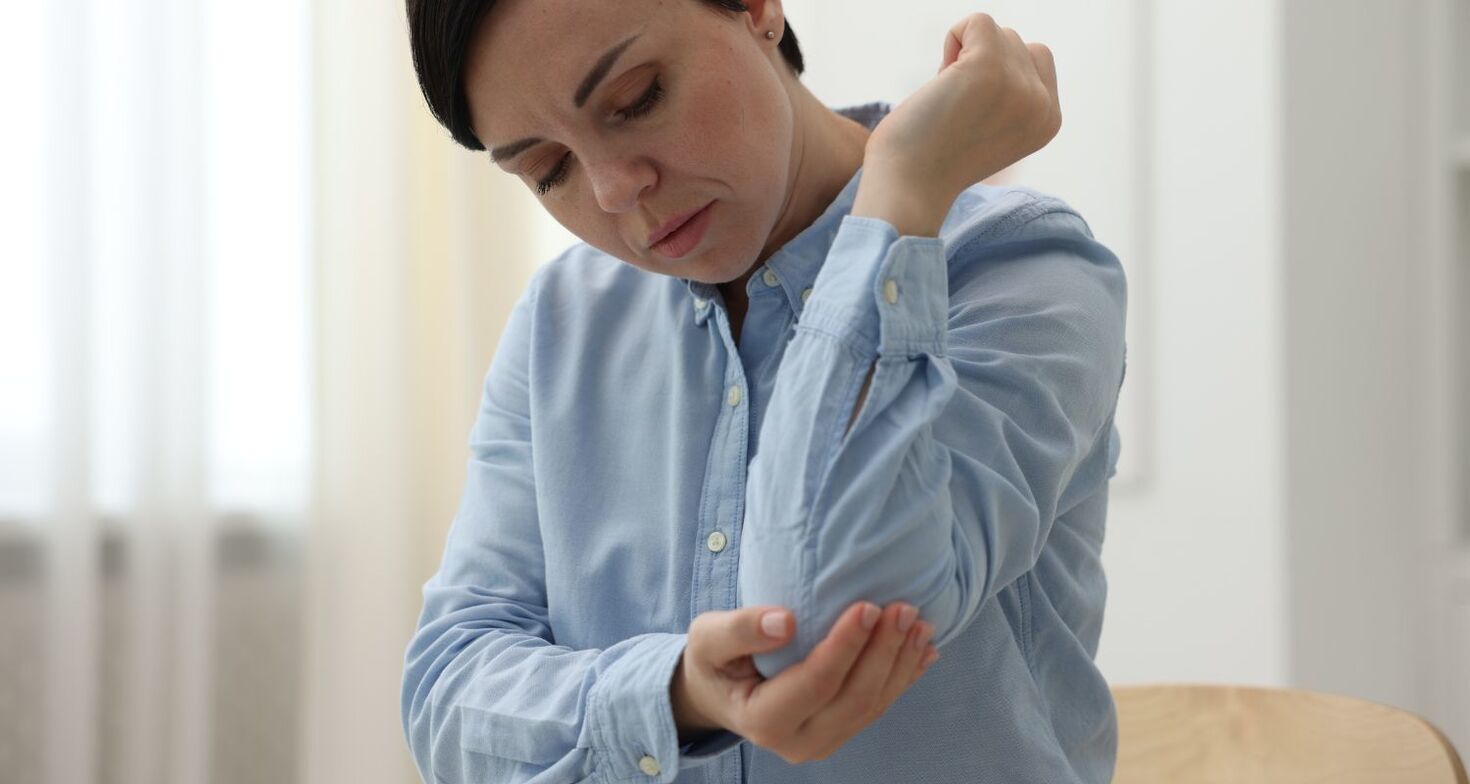
Elbow pain is a common complaint among active individuals, athletes, and even those who spend long hours performing repetitive tasks. Conditions like tennis elbow, golfer’s elbow, and other overuse injuries can develop gradually, often without a single traumatic event. Left unaddressed, these issues can interfere with work, sports, and everyday activities such as lifting, gripping, or even straightening the arm.
A Schertz chiropractor focuses on identifying the underlying causes of elbow pain — not just where it hurts, but why the strain keeps occurring.
What Are Overuse Injuries?
Overuse injuries develop when tissues are repeatedly stressed without adequate time to recover. Unlike acute injuries, symptoms often appear slowly and worsen over time.
Common contributors include:
-
Repetitive arm and wrist movements
-
Sports involving gripping or swinging
-
Poor movement mechanics
-
Muscle imbalances
-
Joint restrictions affecting load distribution
Over time, this repeated stress can lead to inflammation, tendon irritation, and chronic elbow pain.What Is Tennis Elbow?
Tennis elbow, medically known as lateral epicondylitis, is a condition caused by irritation of the tendons on the outside of the elbow. Despite the name, tennis elbow is not limited to tennis players.
Activities commonly linked to tennis elbow include:
-
Weight training
-
Manual labor
-
Desk work with repetitive mouse use
-
Racquet sports
-
Pickleball
This is why many people now refer to the condition as pickleball elbow when it develops from frequent paddle sports.
What Causes Tennis Elbow?
If you’re wondering what causes tennis elbow, the answer often involves repeated stress on the forearm muscles that attach at the elbow. These muscles are responsible for wrist extension and grip strength.
Contributing factors may include:
-
Overuse of the forearm muscles
-
Poor shoulder or wrist mechanics
-
Reduced joint mobility in the elbow or wrist
-
Weakness in supporting muscles
When the elbow absorbs more stress than it can handle, tendon irritation develops — leading to pain and weakness.
Common Tennis Elbow and Elbow Pain Symptoms
Elbow pain can show up in different ways depending on which tissues are involved.
Common complaints include:
-
Outer elbow pain near the bony prominence
-
Inner elbow pain (often associated with golfer’s elbow)
-
Elbow pain when bending the arm
-
Pain in the elbow when straightening the arm
-
Inside elbow pain during gripping or lifting
-
Weakness when holding objects
Symptoms may feel mild at first but often worsen with continued activity.
Golfer’s Elbow vs. Tennis Elbow
While tennis elbow affects the outside of the elbow, golfer’s elbow (medial epicondylitis) causes pain on the inside of the elbow. Both conditions are forms of sports injury and overuse, but they involve different muscle groups.
Golfer’s elbow is often associated with:
-
Repetitive wrist flexion
-
Golf, baseball, weightlifting, and manual labor
-
Pain that radiates down the forearm
A thorough evaluation helps determine which structures are involved and guides proper care.
Can a Chiropractor Help With Tennis Elbow?
Yes — a chiropractor can help treat tennis elbow by addressing the mechanical factors contributing to tendon strain rather than focusing only on symptoms.
A tennis elbow chiropractor evaluates:
-
Elbow joint motion
-
Wrist and shoulder mechanics
-
Muscle balance and coordination
-
Movement patterns during daily or athletic activities
By improving joint function and reducing abnormal stress on the tendons, chiropractic care supports healing and helps prevent recurrence.
How Can a Chiropractor Treat Tennis Elbow?
If you’re asking how can a chiropractor treat tennis elbow, treatment often involves a combination of techniques designed to restore proper motion and reduce stress on irritated tissues.
Chiropractic care may include:
-
Gentle joint adjustments to improve elbow, wrist, or shoulder mobility
-
Soft tissue techniques to reduce muscle tension
-
Movement guidance to correct repetitive strain patterns
-
Activity modification strategies to allow healing
This comprehensive approach addresses not just the elbow, but the entire movement chain involved.
Why Elbow Pain Often Doesn’t Heal on Its Own
Many people try to “push through” elbow pain, especially when it doesn’t interfere immediately with daily tasks. Unfortunately, continuing the same movements without correcting the underlying issue often leads to chronic symptoms.
Without proper care:
-
Tendon irritation can persist
-
Strength may decline
-
Compensation patterns develop
-
Pain may spread into the forearm or shoulder
Seeing an elbow pain chiropractor can help interrupt this cycle and support proper recovery.
When to Seek Care for Elbow Pain
It may be time to seek care if:
-
Elbow pain lasts more than a few weeks
-
Pain worsens with activity
-
Grip strength decreases
-
Pain occurs when bending or straightening the arm
-
Inner or outer elbow pain limits daily tasks
Early intervention often leads to faster and more complete recovery.
Chiropractic Care for Sports and Overuse Injuries in Schertz
A Schertz chiropractor experienced in treating sports injury and overuse conditions understands how repetitive stress affects the joints and soft tissues over time. Chiropractic care offers a non-invasive option for managing elbow pain while supporting long-term joint health.
How Abel Hands Chiropractic Can Help
Overuse injuries and elbow pain often develop due to repetitive stress, poor joint mechanics, or movement imbalances that place excess strain on the elbow and surrounding tissues. At Abel Hands Chiropractic, care is focused on identifying and correcting the underlying movement issues contributing to pain rather than simply addressing symptoms.
Chiropractic evaluation looks beyond the elbow itself. Restrictions in the wrist, shoulder, or upper spine can alter how force is absorbed through the arm, increasing stress on the tendons involved in tennis elbow and golfer’s elbow. By improving joint mobility and alignment throughout the movement chain, chiropractic care helps reduce ongoing strain on irritated tissues.
Care may include gentle adjustments to improve joint motion, soft-tissue techniques to reduce muscle tension, and guidance on modifying repetitive activities that aggravate elbow pain. Treatment is tailored to the individual’s activity level, work demands, and recovery goals.
For patients dealing with persistent elbow pain, stiffness, or weakness from overuse or sports-related strain, chiropractic care offers a non-invasive approach designed to support healing, restore function, and help prevent future flare-ups.
Final Thoughts
Tennis elbow, golfer’s elbow, and other overuse injuries can significantly impact daily life if left untreated. Understanding what causes these conditions — and addressing the mechanical factors behind them — is key to lasting relief.
If elbow pain, stiffness, or weakness is interfering with work, sports, or hobbies, chiropractic care may help restore function, reduce discomfort, and support long-term recovery.
.jpg)
.jpg)